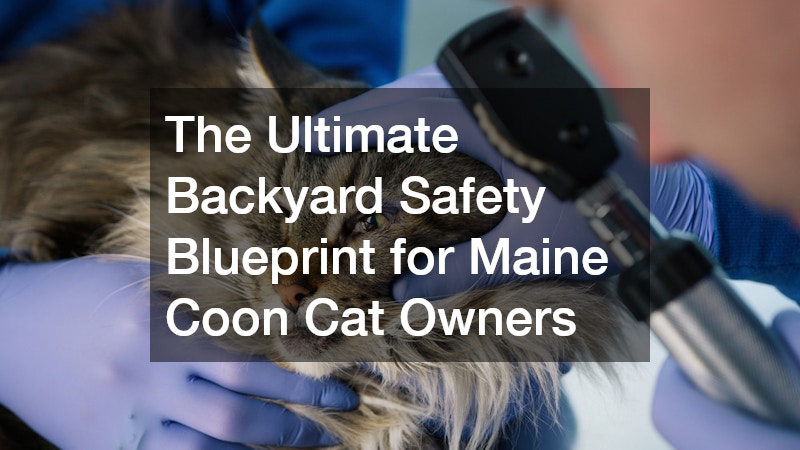

The Maine Coon breed is famous for its massive size, tufted ears, and dog-like personalities. These gentle giants possess a natural curiosity that often drives them to gaze longingly out the window at birds, butterflies, and rustling leaves. For many owners, the temptation to let their pet explore the backyard is strong. Providing a bit of outdoor enrichment can keep a large feline mentally stimulated and physically active. However, the outside world presents a wide variety of hidden hazards that can quickly turn a peaceful afternoon into a medical crisis. Securing a backyard for a premium, heavy-boned breed requires a highly strategic approach that balances physical freedom with strict safety measures.
A standard domestic cat might easily slip through a small gap, but a large maine coon cat faces unique challenges due to its sheer scale and adventurous spirit. These animals are skilled climbers and hunters, meaning their instincts can easily override their sense of caution. To prevent tragic disappearances, injuries, or exposure to toxins, owners must look at their property through a lens of total risk management. Fortifying the perimeter is the very first step in this comprehensive process, ensuring that the animal can enjoy fresh air without encountering the numerous dangers that lurk just beyond the property line. By understanding the specific needs of this magnificent breed, homeowners can build a secure sanctuary that protects their beloved companion from harm while still satisfying their innate desire to explore nature.
Securing the Perimeter: Physical Barriers and Containment

Traditional backyard fences are rarely enough to keep an energetic feline contained. Standard wooden or chain-link structures often feature small gaps at the bottom, or they may simply be too short to prevent an athletic animal from leaping over the top. When designing a secure outdoor space, homeowners should focus on structural modifications that are specifically engineered to stop climbing animals. This often involves installing specialized netting, overhead rollers, or a completely enclosed patio structure known as a catio. Relying on a generic handyman for this type of specialized work can lead to overlooked vulnerabilities that an intelligent pet will eventually exploit.
To achieve a truly secure perimeter, it is wise to consult a professional fence installer who has experience with custom pet containment systems. These experts can assess the topography of the yard, identify weak points along the boundary, and reinforce the entire structure with subterranean mesh to prevent digging animals from creating exit routes. Additionally, a properly installed barrier does double duty by keeping stray animals and neighborhood dogs out of the yard, reducing the risk of territorial fights. The goal is to create a physical boundary that offers complete peace of mind, allowing the animal to roam the designated grassy areas without any risk of slipping into busy streets or getting lost in thick brush. Investing in high-quality materials and professional construction ensures that the barrier remains durable against both the elements and the physical force of a large, heavy pet determined to chase backyard wildlife.
Environmental Hazards: Managing Insects and Lawn Care Safely
A secure fence keeps a pet inside, but it cannot stop the invisible or microscopic threats that exist within the soil and grass. Lawns are breeding grounds for fleas, ticks, mosquitoes, and stinging insects, all of which pose significant health risks to domestic animals. Ticks can transmit debilitating conditions like Lyme disease, while fleas can cause severe allergic dermatitis and tapeworm infections. Insect bites are not the only concern. Traditional lawn treatments, fertilizers, and pest management chemicals often contain toxic ingredients that can easily be ingested when a pet grooms its paws after a walk outside.
Because of these interconnected risks, maintaining a clean and safe yard requires a careful balance between eradication and chemical safety. Homeowners should seek out a specialized pest control company that offers eco-friendly, pet-safe treatment programs. It is vital to communicate clearly with the technicians about the presence of animals on the property, ensuring that any sprays applied to the grass or shrubs are completely dry before the pet is allowed back outside. In addition to professional treatments, owners can minimize insect populations by keeping the grass cut short, removing piles of decaying leaves, and eliminating any standing water where mosquitoes might breed. Choosing organic mulches instead of dyed alternatives and avoiding toxic garden plants like lilies, azaleas, and sago palms further minimizes the risk of accidental poisoning, creating a pristine environment where a pet can play safely without encountering harmful chemical residues or parasitic infestations.
Navigating Local Wildlife Threats
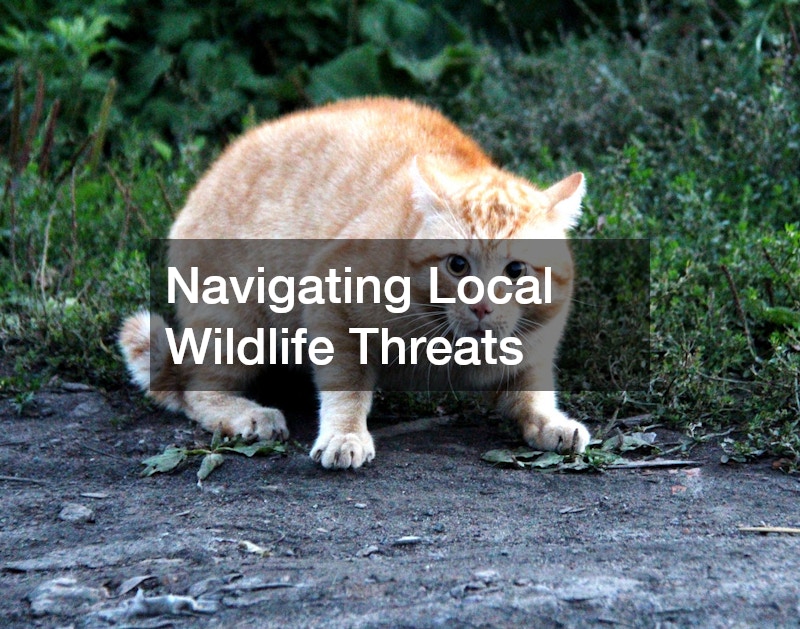
Beyond insects, suburban and rural backyards are frequently visited by various forms of larger wildlife. Raccoons, opossums, foxes, skunks, and even large birds of prey can view a domestic pet as either a rival or a potential meal. Even if a wild animal does not actively attack, it can carry dangerous diseases such as rabies, roundworm, or leptospirosis, leaving infectious materials behind in the grass or near water bowls. If an owner notices signs of wild intruders, such as dug-up garden beds, tipped trash cans, or droppings, immediate action must be taken to secure the area.
Rather than attempting to trap or relocate these animals independently, which can be dangerous and illegal in many jurisdictions, property owners should reach out to a certified wildlife removal service to handle the situation humanely and effectively. These professionals can locate nesting sites under decks or in crawlspaces, safely remove the animals, and implement exclusion techniques to prevent them from returning. Keeping the backyard free of food sources, such as open garbage bins or fallen fruit from trees, is another essential step in discouraging wild visitors. By proactively managing the local ecosystem and working with wildlife experts, homeowners can significantly lower the chances of a dangerous encounter, ensuring that their private outdoor space remains an exclusive, safe haven for their domestic companions rather than an extension of the local wilderness.
Establishing Routine and Preventative Healthcare Foundations
Physical security measures must always be paired with a robust internal defense system through regular medical care. Before any animal is permitted to spend time in an outdoor environment, its preventative healthcare routine must be completely up to date. This foundation includes essential core vaccines, regular booster shots, and continuous year-round parasite preventatives that protect against heartworms, fleas, and ticks.
Establishing a strong relationship with a trusted local vet is the most effective way to manage these routine health requirements. This professional understands the specific regional health risks, such as local outbreaks of certain tick-borne illnesses or seasonal parasite spikes, and can tailor a preventative plan to fit the animal’s outdoor lifestyle. Regular annual or bi-annual checkups allow medical professionals to monitor weight, dental health, and organ function, catching potential issues long before they become severe.
When choosing a clinic, looking for experienced veterinarians who understand the unique physical traits and genetic predispositions of larger breeds is incredibly beneficial. These professionals can offer tailored advice on joint health, nutrition, and cardiovascular maintenance, ensuring the animal remains strong enough to enjoy its outdoor excursions. Maintaining detailed medical records and adhering to a strict vaccination schedule creates a reliable safety net, giving the animal’s immune system the tools it needs to fight off environmental pathogens and allowing the owner to enjoy peace of mind knowing their pet’s health is thoroughly managed by qualified experts.
Recognizing Minor Injuries and Non-Life-Threatening Issues
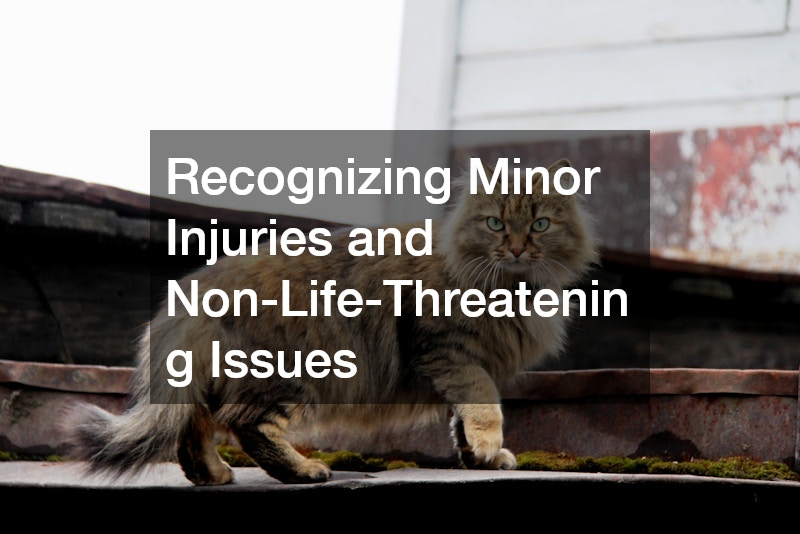
Even in the most carefully secured backyard, minor accidents can still happen. A pet might scrape its paw on a twig, develop a mild allergic reaction to an insect sting, or experience minor digestive upset from nibbling on a blade of grass. When these non-life-threatening issues occur outside of normal business hours, or when a primary clinic is completely booked, knowing where to turn for timely medical attention is crucial.
For situations that require prompt care but do not involve severe trauma or respiratory distress, a dedicated pet urgent care facility is often the ideal solution. These clinics specialize in handling urgent but non-critical problems, filling the gap between routine care and major emergency services. Utilizing these facilities helps avoid long wait times at major trauma centers while ensuring the animal receives professional treatment quickly.
During a visit, an experienced animal doctor can clean and dress minor wounds, administer fluids for mild dehydration, or prescribe medications to soothe skin irritations and allergic reactions. Addressing these smaller issues promptly prevents them from escalating into serious infections or more complicated health crises. Owners should familiarize themselves with the hours and locations of these facilities well in advance, keeping their contact information easily accessible so that minor backyard mishaps can be handled efficiently and calmly without unnecessary stress or delay.
Preparing for Worst-Case Scenarios and Trauma Triage
While minor scrapes can be handled with basic medical care, major backyard emergencies require an entirely different level of preparedness. Serious crises, such as deep lacerations from a predator encounter, toxic ingestion of a hidden garden substance, heatstroke during a humid summer day, or severe blunt-force trauma from a fall, demand immediate, intensive medical intervention. In these critical moments, every second counts, and knowing the exact location of a 24-hour emergency vet clinic can save an animal’s life.
These advanced facilities are fully equipped with specialized diagnostic tools, surgical suites, and intensive care units designed to handle life-threatening situations at any hour of the day or night. If a pet experiences a sudden, catastrophic injury in the yard, owners must remain as calm as possible while preparing for immediate transport.
Calling ahead to the local emergency vet while en route allows the trauma team to prepare for the specific scenario, ensuring that oxygen, life-support equipment, or anti-venoms are ready the moment the vehicle arrives. These specialized hospitals are staffed by medical professionals who are extensively trained in emergency triage and critical care, capable of stabilizing shock, performing emergency surgeries, and managing complex internal injuries. Having a clear, practiced emergency plan removes panic from the equation, allowing owners to act decisively and give their pet the absolute best chance of survival and a full recovery when facing a worst-case scenario.
Creating a Structured Outdoor Routine for Long-Term Wellness
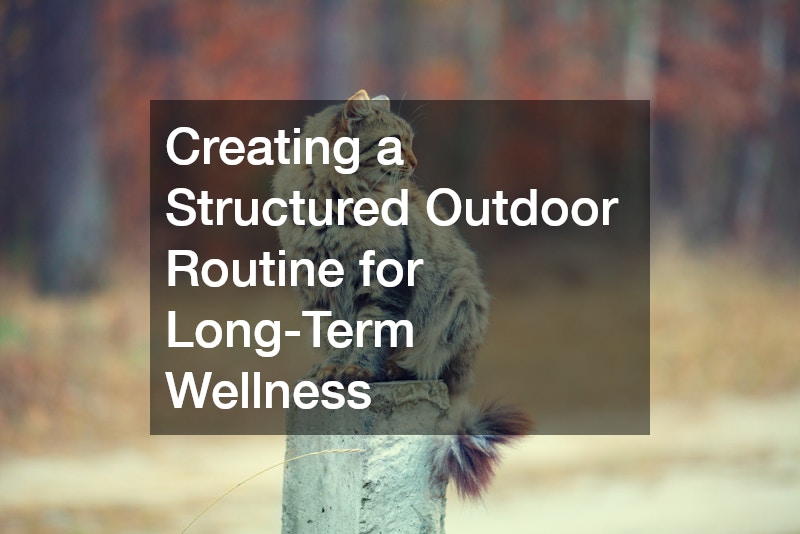
Beyond physical barriers and emergency planning, the daily routine plays a massive role in outdoor safety. Pets thrive on structure, and establishing specific times for outdoor access helps minimize behavioral problems and reduces the desire to escape. Allowing backyard exploration only during daylight hours is a simple yet highly effective way to avoid the peak activity times of nocturnal predators like raccoons and foxes. Supervision is another key component of a successful plan. Even with an enclosure, an owner should monitor their pet closely to watch for sudden shifts in weather or behavior.
Integrating interactive toys, scratching posts, and elevated climbing platforms within the secure outdoor area can keep the animal focused and entertained, reducing the likelihood of them testing the boundaries of the enclosure. Regularly inspecting the yard for new hazards, such as fallen branches, loose fence boards, or newly sprouted weeds, ensures that the environment remains pristine over time. By combining supervised outdoor sessions with a stimulating, well-maintained space, owners can provide their companions with the physical exercise and mental variety they crave while maintaining complete control over their safety and well-being.
Balancing Outdoor Enrichment with Proactive Protection
Providing an outdoor escape for a beloved companion does not have to mean compromising their safety. By implementing a thorough, multi-layered blueprint that addresses structural security, environmental pest management, and comprehensive medical readiness, homeowners can successfully create a backyard haven that offers the best of both worlds. Protecting a large, precious pet requires diligence, investment, and a proactive mindset, but the reward of seeing them happily lounge in the grass or watch birds from a safe vantage point is completely worth the effort.
With the right professionals on speed dial and a secure perimeter in place, owners can confidently open the back door, knowing that every single detail has been carefully managed to ensure a lifetime of safe, healthy, and joyful outdoor adventures. By taking these necessary precautions, families can protect their felines from unexpected accidents, harmful toxins, and territorial wildlife encounters, ensuring that the backyard remains a source of joy rather than a place of danger. Ultimately, a proactive approach transforms the property into a secure paradise where felines can experience nature safely.