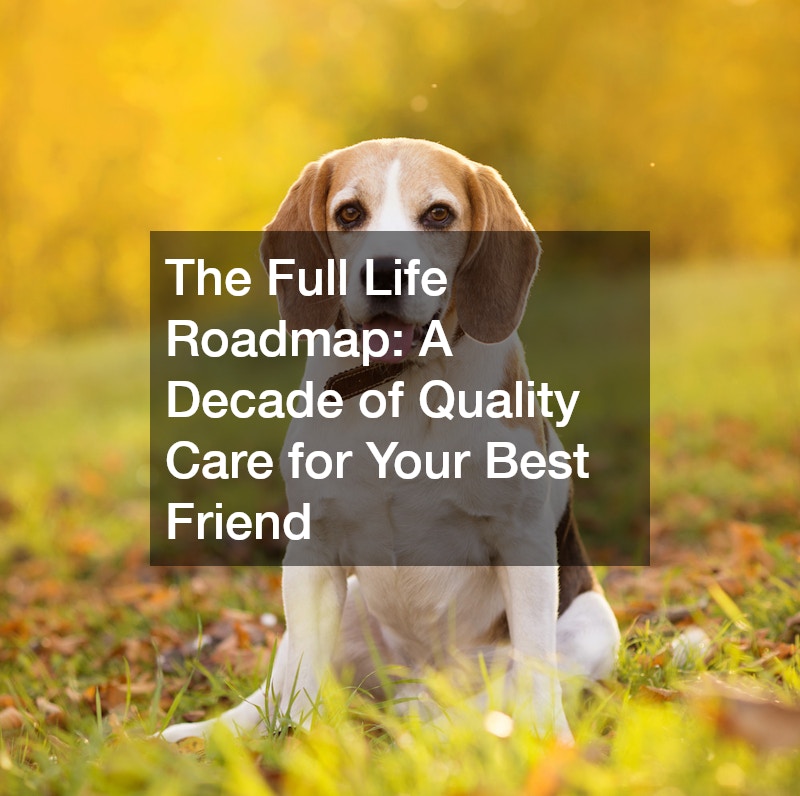

Bringing a new puppy or rescue dog into a household marks the beginning of a profound, transformative journey that typically spans more than a decade. For most families, the initial days are filled with excitement, shopping trips for basic supplies, and the joyful chaos of adjusting to a new routine. However, looking at this relationship through a long-term lens requires a comprehensive understanding of how a dog’s needs evolve over time.
True responsible ownership goes far beyond providing food, water, and basic affection; it encompasses environmental safety, structured socialization, behavioral development, and consistent medical oversight. To build a solid foundation for a long and healthy life, a family must establish connections with local professionals who can guide them through every developmental milestone. Among the first steps on this roadmap is identifying a trusted local veterinarian who can assess the animal’s baseline health, establish a vaccination schedule, and offer tailored nutritional advice.
By looking ahead at the entire life cycle of a canine companion, owners can anticipate challenges, mitigate environmental risks, and ensure their four-legged family member enjoys optimal well-being from their energetic youth through their quiet golden years. It is an investment that yields immense rewards over time, creating a deep bond built on proactive protection, unconditional love, and mutual respect.
The Early Months: Building Essential Behavioral Foundations
The initial months of a dog’s life represent a critical window for cognitive development and behavioral tracking. During this phase, young animals absorb information about their environment at a rapid pace, making it the ideal time to establish household boundaries and basic manners. Without a clear structure, minor habits like playful nipping, jumping on guests, or excessive barking can quickly mature into deeply ingrained behavioral problems that become difficult to correct later in life.
Enrolling a puppy or young rescue dog in structured dog training classes provides the essential tools needed for clear, effective communication between owner and pet. These early sessions focus on core commands such as sitting, staying, and coming when called, while also teaching owners how to read subtle canine body language. Beyond basic commands, professional guidance helps prevent common issues like resource guarding and separation anxiety, ensuring the dog grows into a predictable, confident companion.
Consistency during these formative months creates a reliable framework that reduces stress for both the animal and the household, paving the way for smooth transitions into more complex social environments as the dog matures physically, mentally, and behaviorally over time.
Socialization and Exercise: Expanding Horizons Safely
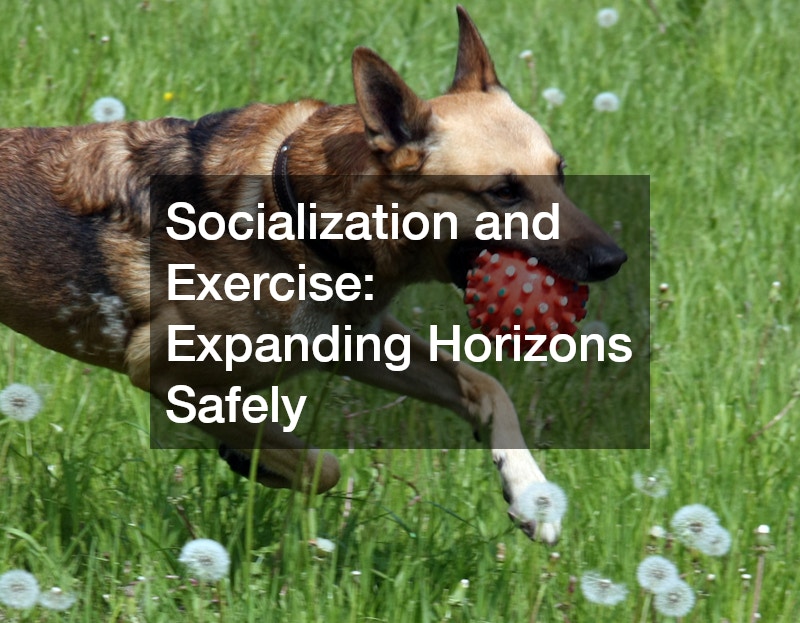
Once a young dog has completed its initial rounds of core vaccinations, its world expands significantly. Socialization is a continuous process that exposes an animal to new environments, unfamiliar people, and other dogs in a controlled, positive manner. Proper exposure during the first year reduces the likelihood of fear-based reactivity and helps the animal maintain a calm demeanor in unpredictable situations.
For busy modern professionals, balancing a demanding work schedule with a dog’s intense need for physical exercise and mental stimulation can be a significant daily challenge. Utilizing a professional dog daycare service offers an excellent solution for keeping an animal active and engaged during long workdays.
These structured environments allow dogs to burn off excess energy through supervised play with compatible peers, preventing the destructive behaviors that often arise from boredom at home. Regular interactions in a monitored setting reinforce good social manners and prevent the onset of territorial habits. By incorporating regular, active play into the weekly routine, owners can ensure their companions remain physically fit, mentally sharp, and highly adaptable to the world around them as they mature.
Environmental Safety: Securing the Domestic Perimeter
A comprehensive care strategy extends past physical exercise and nutrition into the management of the animal’s direct living environment. Dogs explore the world with their noses and mouths, making them uniquely vulnerable to hidden household hazards, including invasive insects and parasites. Fleas, ticks, mosquitoes, and ants are more than simple nuisances; they serve as vectors for dangerous diseases like heartworm, Lyme disease, and severe skin infections.
Maintaining a clean, safe home requires a proactive strategy that eliminates these pests before they can establish a foothold indoors or in the yard. Investing in routine pest control services helps safeguard the domestic space from these invisible threats while prioritizing the safety of the household animals. Modern professionals utilize targeted application methods that minimize pet exposure to harsh chemicals while effectively disrupting the life cycles of problematic insects.
By keeping the home and immediate outdoor areas free from heavy insect pressures, owners can reduce the risk of secondary infections and systemic illnesses, ensuring that the living space remains a true sanctuary for every member of the family throughout the changing seasons.
Managing Outdoor Threats: Establishing Yard Boundaries
While small insects present a constant microscopic threat, larger outdoor animals can introduce severe physical dangers and complex health risks to a family dog. Suburban backyards and urban perimeters frequently attract local fauna such as raccoons, opossums, skunks, and rodents, all of which may carry parasites or serious viral infections.
When a curious dog encounters a wild animal defending its young or a food source, the resulting confrontation can lead to serious injuries or disease transmission. Implementing professional wildlife control measures is essential for identifying entry points along fence lines, under decks, and around crawlspaces where wild animals like to nest. Experts can humanely deter these intruders and secure the property, creating a physical barrier that prevents dangerous interactions.
Securing trash enclosures, removing fallen fruit, and eliminating standing water further reduce the incentives for wild animals to enter the yard. By actively managing the boundary between domestic spaces and local wildlife habitats, homeowners can allow their dogs to explore the backyard safely without the constant risk of sudden, dangerous wildlife encounters occurring on the property.
Adult Wellness: Establishing Comprehensive Medical Habits
As a dog transitions from the high-energy stages of youth into the steady rhythm of adulthood, its medical requirements shift subtly. During these middle years, chronic conditions such as dental disease, early joint degradation, and metabolic shifts can begin to develop without showing immediate outward symptoms.
Relying solely on emergency medical attention can result in missed opportunities for early intervention and preventive care. Establishing a regular schedule with a fully equipped vet clinic allows for consistent monitoring through annual blood profiles, regular physical examinations, and routine dental cleanings. These preventative visits enable dedicated medical professionals to carefully track subtle changes in weight, internal organ function, dietary needs, and joint mobility over time.
Catching an underlying medical condition like kidney disease or thyroid imbalance in its early infancy significantly improves the long-term prognosis and allows for less invasive, much more cost-effective management strategies. Consistent clinical tracking ensures that adult dogs maintain an excellent quality of life, preserving their energy levels and comfort as they navigate the prime years of their lives alongside their owners for many years to come.
Hygiene and Physical Maintenance: More Than Aesthetics
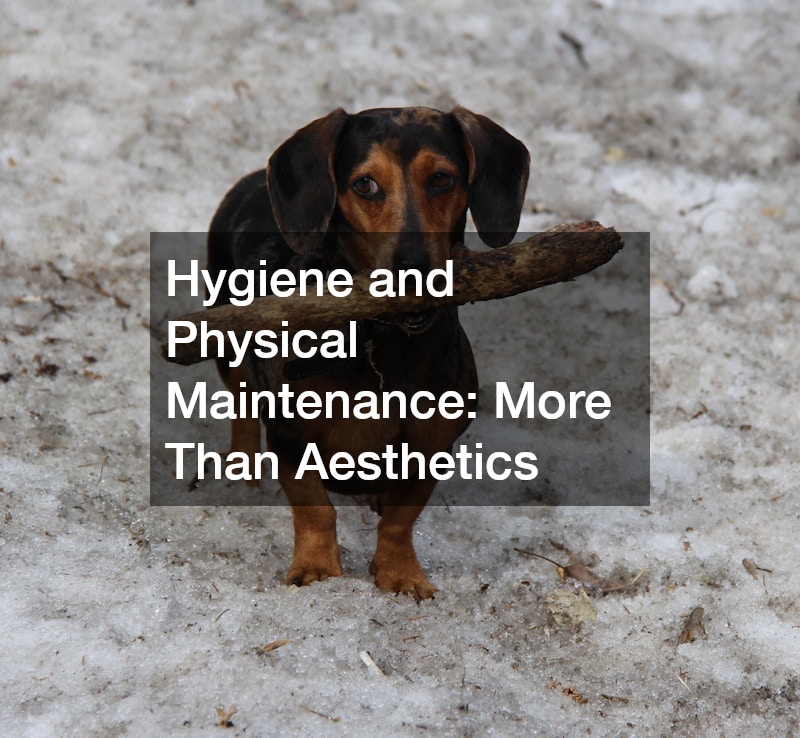
Maintaining an adult dog’s physical health also involves consistent attention to external hygiene, which directly impacts internal comfort and systemic health. A dog’s thick coat and sensitive skin serve as the primary defensive barrier against harsh environmental allergens, seasonal moisture, and mechanical injuries. Regular coat maintenance prevents the formation of painful mats, which can trap moisture against the skin and lead to severe bacterial hot spots.
Seeking the services of a professional dog groomer ensures that this maintenance is performed safely, thoroughly, and with specialized equipment. Beyond washing and clipping fur, these professionals handle delicate tasks such as trimming nails to prevent skeletal strain, cleaning ears to avoid painful yeast infections, and checking for hidden parasites. Furthermore, a trained professional can often detect subtle skin changes, unusual lumps, or localized inflammation that an owner might miss during casual brushing at home.
Incorporating professional hygiene appointments into the dog’s regular schedule keeps the skin healthy, reduces shedding throughout the household, and provides an additional layer of observational care that supports overall physical health across every single season.
Responsible Travel Logistics: Securing Supervised Care
Throughout a decade of companionship, owners will inevitably face situations where they must travel without their pets due to business commitments or family vacations. Leaving a dog in the care of well-meaning but untrained neighbors or friends can introduce significant risks, including accidental escapes or unrecognized medical emergencies. Selecting a professional dog boarding service ensures that the animal remains in a secure, climate-controlled facility designed specifically to meet canine safety and emotional needs. These dedicated facilities operate under strict protocols, ensuring that medications are administered on time, diets are followed precisely, and exercise routines are maintained. Additionally, professional facilities are staffed by individuals trained to recognize early signs of stress, lethargy, or physical discomfort, allowing for rapid intervention if an issue arises. Knowing that a pet is resting in a monitored, structured environment allows owners to travel with peace of mind, confident that their companion’s daily schedule is preserved and that professional oversight is present twenty-four hours a day to manage any situation.
Structural Home Protection: Mitigating Subterranean Risks
A secure household environment requires deep maintenance that occasionally goes beyond surface-level insect prevention. Structural threats caused by wood-destroying organisms or severe rodent infestations within interior walls can compromise the safety of the home and create secondary hazards for pets. Mice and rats, for example, frequently chew through electrical wiring, creating fire hazards, and leave behind waste material that can trigger respiratory issues in both humans and dogs.
Remediation of deep-seated infestations requires the specialized knowledge of an experienced exterminator who can implement comprehensive elimination strategies. It is essential to work with professionals who understand how to deploy baiting systems and structural treatments in a manner that completely isolates the active materials from curious pets.
Proper sealing of structural entry points prevents future access, addressing the root cause of the infestation permanently. Resolving these complex household issues ensures that the physical structure remains structurally sound and free from hidden biological hazards, preserving a clean and secure living environment for the entire household over the long haul, giving everyone complete comfort.
Senior Care: Navigating the Complex Golden Years
The final stage of the canine roadmap brings a pronounced shift toward palliative comfort, pain management, and specialized senior care. As dogs enter their senior and geriatric years, their physical mobility often declines due to advanced osteoarthritis, and cognitive changes may affect their daily routines. During this sensitive period, the primary goal of care transforms from active preservation to maximizing daily comfort and maintaining a high quality of life.
Owners must work closely with medical professionals to adjust medications, modify the home environment with ramps or orthopedic bedding, and monitor pain levels carefully. Eventually, despite the best medical interventions and lifestyle adjustments, many owners must confront the difficult reality that their companion’s suffering can no longer be alleviated.
Utilizing a compassionate pet euthanasia service provides a gentle, dignified path to end a dog’s life when its quality of life has diminished. This specialized support allows families to say their final goodbyes in a quiet, controlled environment, prioritizing the animal’s peace and comfort above all else during its final moments on this earth.
The Lifelong Commitment to Complete Care
Reflecting on the entire life cycle of a canine companion reveals that quality care is a dynamic, interconnected network of responsibilities. A truly supportive environment is built over time through consistent attention to behavior, physical health, environmental safety, and home hygiene. No single service operates in isolation; rather, each professional resource supports and enhances the others to create a safe framework for the animal.
By planning ahead for the puppy milestones, adult maintenance requirements, and senior transitions, owners can prevent many common crises and minimize household stress. Investing in these professional relationships ensures that the dog receives expert attention at every stage of development, allowing the bond between owner and pet to flourish without the burden of preventable health or behavioral issues.
Ultimately, navigating this decade-long roadmap with foresight and dedication is the greatest gift an owner can provide, resulting in a lifetime of shared joy, mutual trust, and deep, lasting companionship. Every intentional choice made today echoes throughout the dog’s life, creating an enduring legacy of health and happiness. It is a beautiful partnership that transforms houses into true homes and fills years with unforgettable memories.